SPC Group Registers Patents for Independently Developed Korean Native Yeast in Four Countries
SEOUL, KOREA – On April 7, SPC Group announced that it completed patent registration for the independently developed native yeast for baking (SPC-SNU 70-1) in four countries.
SPC Group registered a total of 12 patents for native yeast and lactic acid bacteria it successfully discovered in 2015 in four countries – the U.S., China, France, and Japan.
While microbial resources are emerging as the nation’s core competitive power, the patent registration holds international significance because of the differentiated qualities and values of locally developed microbial resources
In 2005, SPC Group established SPC Research Institute of Food and Biotechnology, which conducts basic studies on microbial and food materials. SPC Group Chairman Hur Young-in has been emphasizing quality management by securing independently developed technologies and investing unsparingly in R&D to be competitive in the global market.
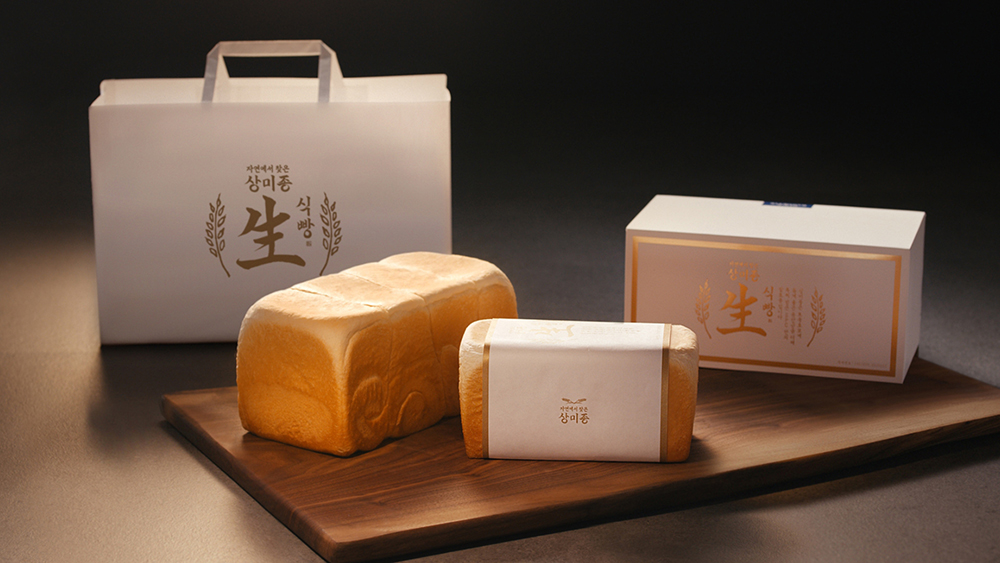
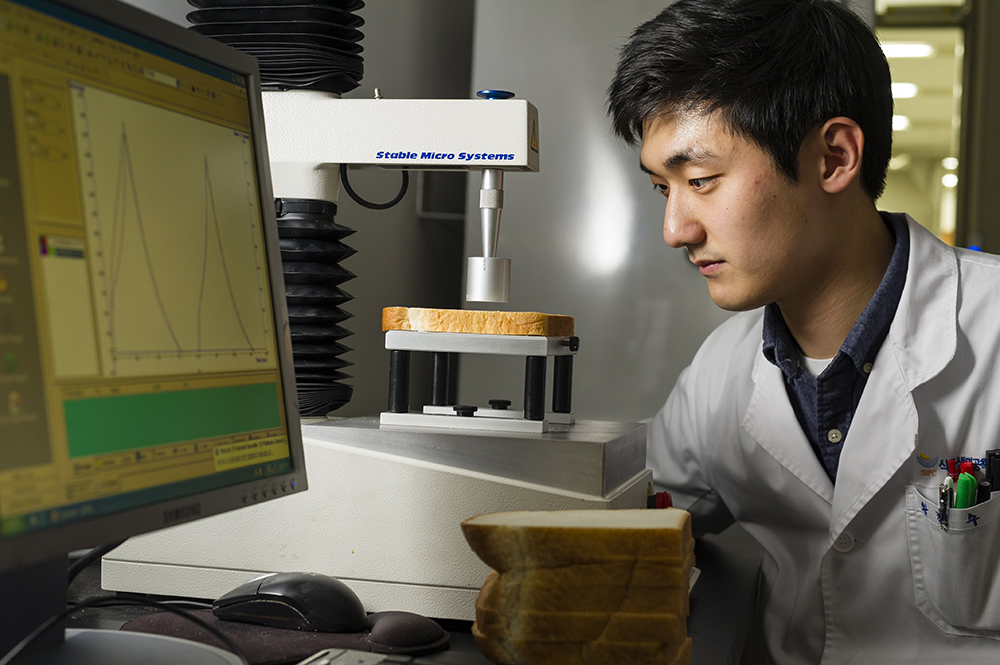
SPC Research Institute of Food and Biotechnology analyzed over 10,000 native microorganisms over 11 years through a joint study with the Seoul National University research team. The researchers found the yeast and lactic acid bacteria suitable for baking from Nuruk, which is ferment malt, and Kimchi, the traditional food of Korea. Through the combination of yeast and lactic acid bacteria, the research institute also developed and succeeded in commercializing Sangmijong, a sourdough starter. In addition, by applying this technology to coffee, the institute developed the anaerobic fermentation process for the first time in Korea, and thus has secured differentiated quality competitiveness.
SPC Group’s discovery of native yeast for baking is not only a significant achievement to prove the excellence of Korea’s fermentation technology and microbial studies, but also creating an import-substituting effect by over 7 billion won a year by replacing previously imported baking yeast with the locally developed yeast. SPC Group plans to expand the scope of its business from food to biotechnology by continuously promoting R&D and building expertise in the field of microbial business.
Seo Jin-ho, the director of SPC Research Institute of Food and Biotechnology said, “It is a meaningful achievement for not only SPC Group but also Korea to win recognition on the differentiation of the native microbial resources in four countries.”
Professor and Chairman of the Korean Society for Biotechnology and Bioengineering Lee Cheol-gyun said, “Among food companies in Korea, SPC Group is a pioneer of investment and R&D. By securing the foundational technologies, SPC Group will strengthen its competitiveness in the global market.”