
The massively popular Dunkin X Nordisk foldable boxes that started a long line in front of the store, the visually striking Baskin Robbins concept stores using Hanok and beehives, and Passion 5 Terrace, a must-visit bakery in Hannam-dong: what do they all have in common? These are all projects that were created at the SPC Group Design Center. The third featured guest in the “Great Food Company” series, where we meet our members who strive for “Quality-First Management,” is Managing Director Son Jeong-ho. Now, let’s hear about the role and vision of the Design Center.
Managing Director Son Jeong-ho at Design Center
Design Center Exerts Influence in All Areas of the SPC Group
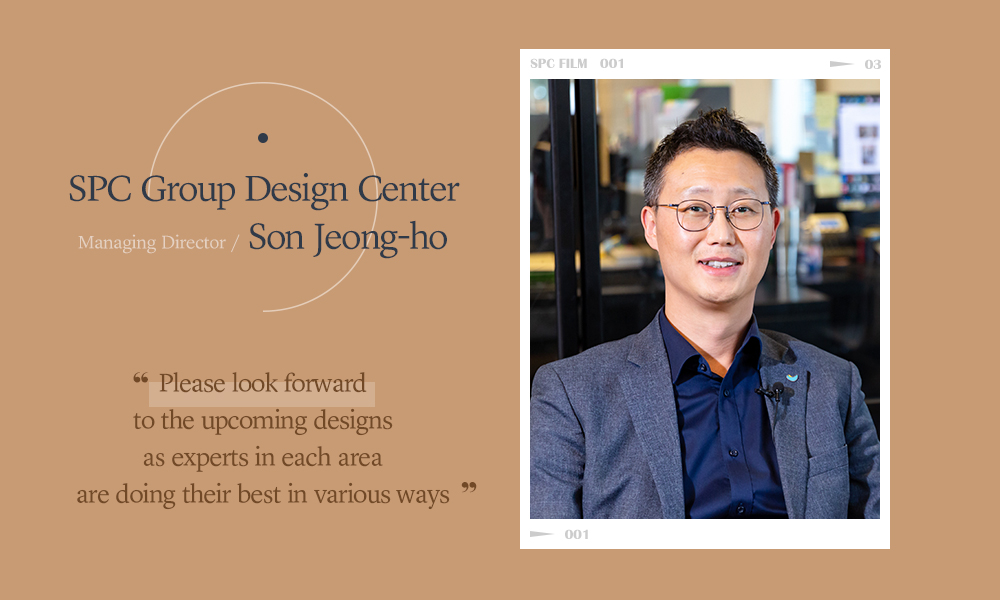
Managing Director Son Jeong-ho at Design Center
Q. What does the Design Center do within the SPC Group?
Hello. I am Managing Director Son Jeong-ho of the SPC Group Design Center. The Design Center manages the overall creative outcomes at SPC Group’s three subsidiaries: Paris Croissant, Samlip, and BR Korea. We are largely divided into interior design and design departments. The interior sector covers large-scale projects, such as new buildings and constructions, and the design sector covers the micro-scale projects that consumers encounter, such as packaging and visual merchandising (VMD). More than anything, we strive to present a delightful food experience to consumers through each design element.
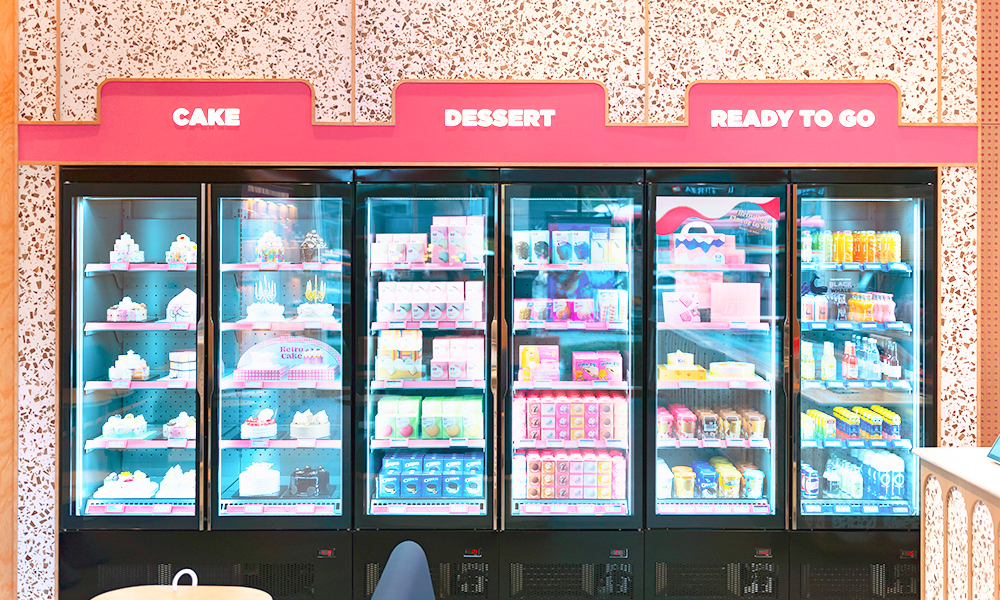
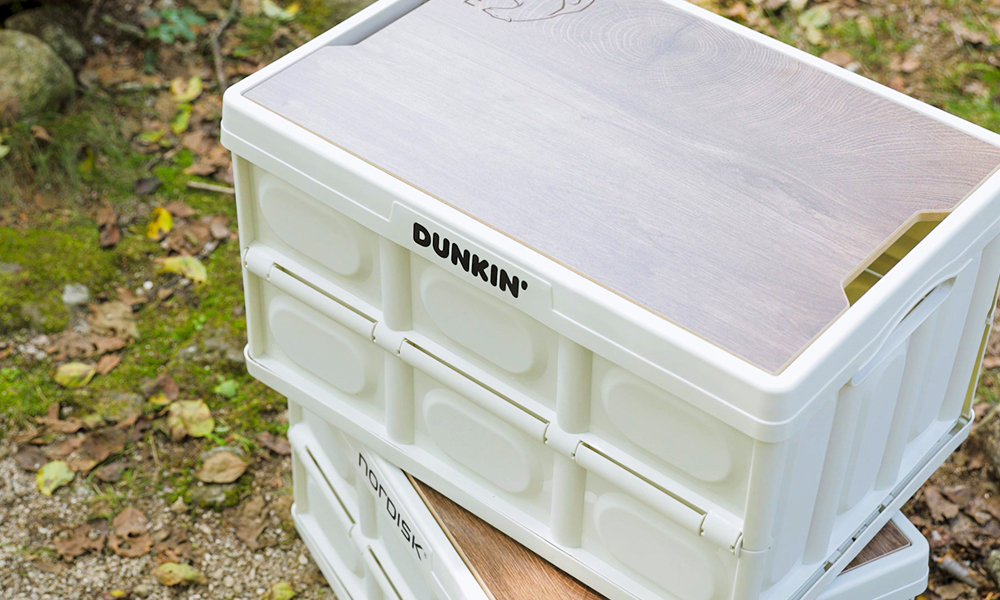
Examples of creative outcomes created at the Design Center (click the arrow to swipe!)
Could you give more specific examples of your work at the Design Center? The SPC Group stores provide a setting where customers can “play,” which means having an enjoyable experience. For instance, we placed photo boxes at Baskin Robbins Brown stores and introduced ATM-style ice cream machines to bring a new culture to consumers. We are also responsible for the overall design elements that provide various experiences to customers, such as collaborative projects at Dunkin and Baskin Robbins with characters and camping brands for promotional materials.
Q. How do you come up with the designs?
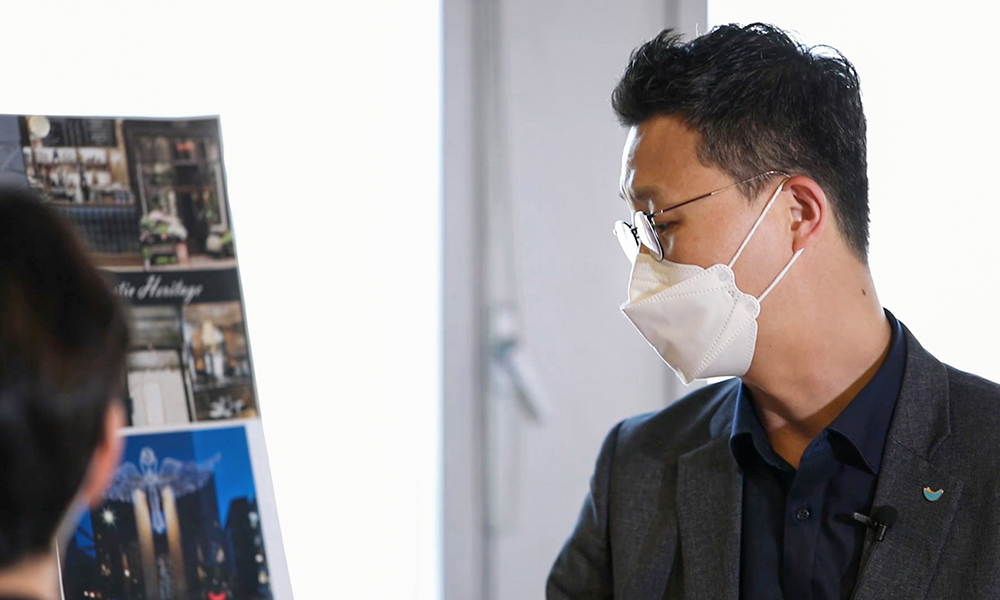
When working on design projects, we strive not only for visual appeal but also a high level of product quality. First, we go through a process called the “ideation process.” At the start of the project, we explore related benchmarking cases in Korea and abroad, collaborate with other departments, and conduct research to clearly understand the needs of the project. We will then set up the initial design through meetings and workshops.
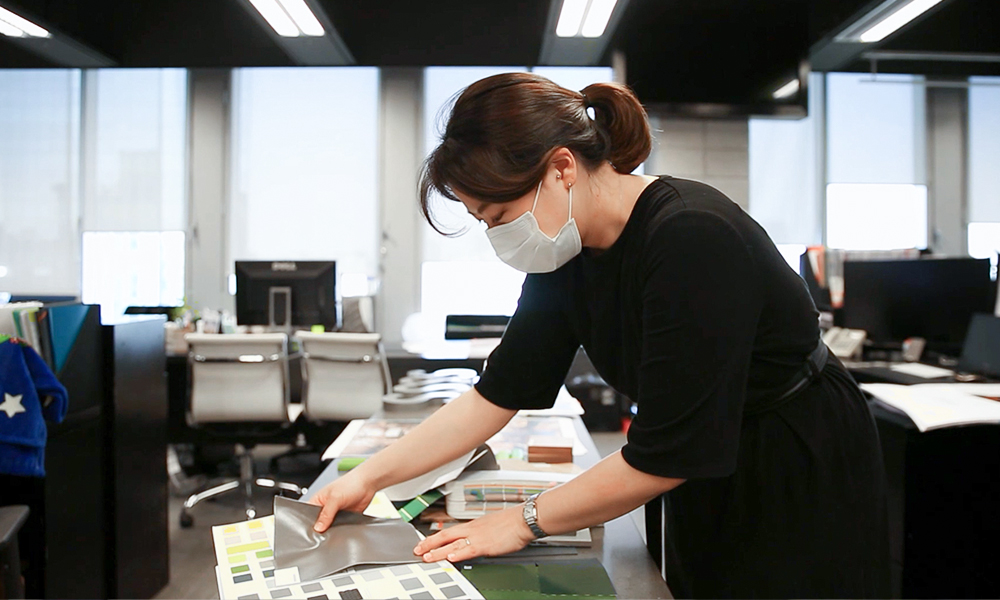
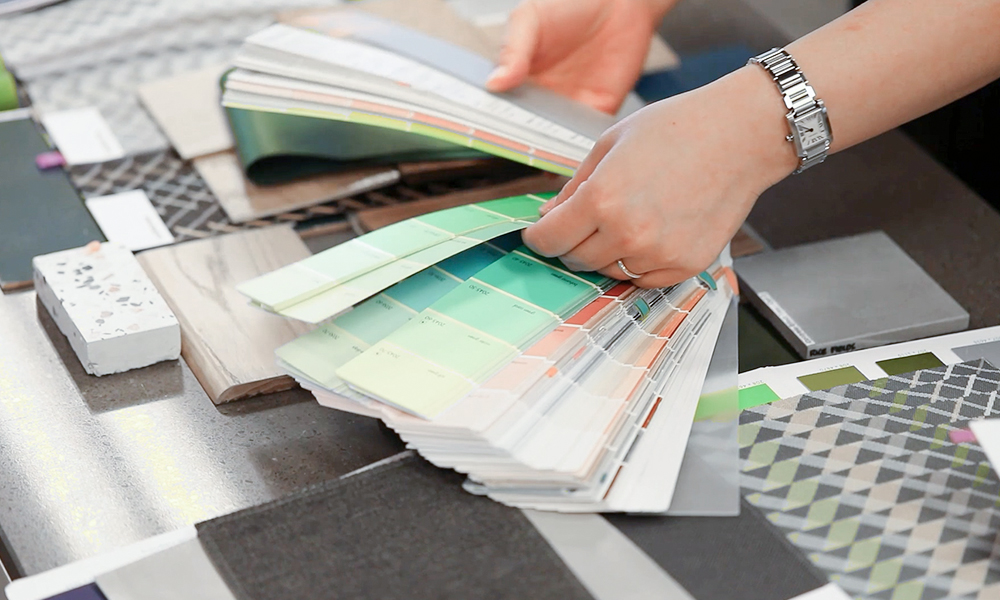
Repeated Sampling Tests
“Designing” is the process of creating new things and applying innovative technologies, so it’s key to improve quality at the prototype stage. To start development after thorough verification, we create mockups and samples and test them repeatedly.
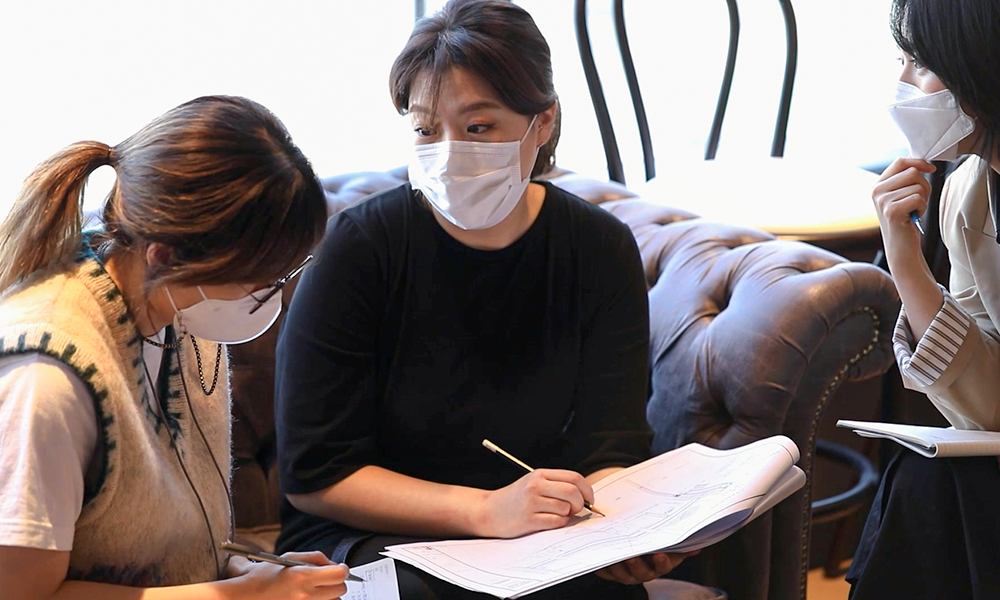
Endless Meetings to Enhance Quality
Once the design is finally set, next is the actual production stage, where we build the store or manufacture the product. At this point, we review and perform quality inspections to ensure that we are producing the design we intended. After this process, when the store is constructed or the product is released, we observe the outcome and consumer response to collect feedback and reflect them on the next project. The knowledge and know-how accumulated in this process will be an asset directly linked to quality control and constant enhancement of quality at the Design Center. That’s why we try our best to make the process as creative as possible.
“Branding” that Proposes a Lifestyle
Q. What do you think is the appeal of design?
While the design will have short-term effects in promoting sales, it can also create a positive brand image to drive long-term benefits. For example, when we launched the first Shake Shack store in Gangnam, we distributed water and umbrellas for customers who were tired of waiting in the sun. Such experience of care helps our branding and leads to loyal customers. It’s not only about our products but also about being recognized as a brand that offers the lifestyle they pursue. That’s where we obtain the potential to be beloved for a long time.
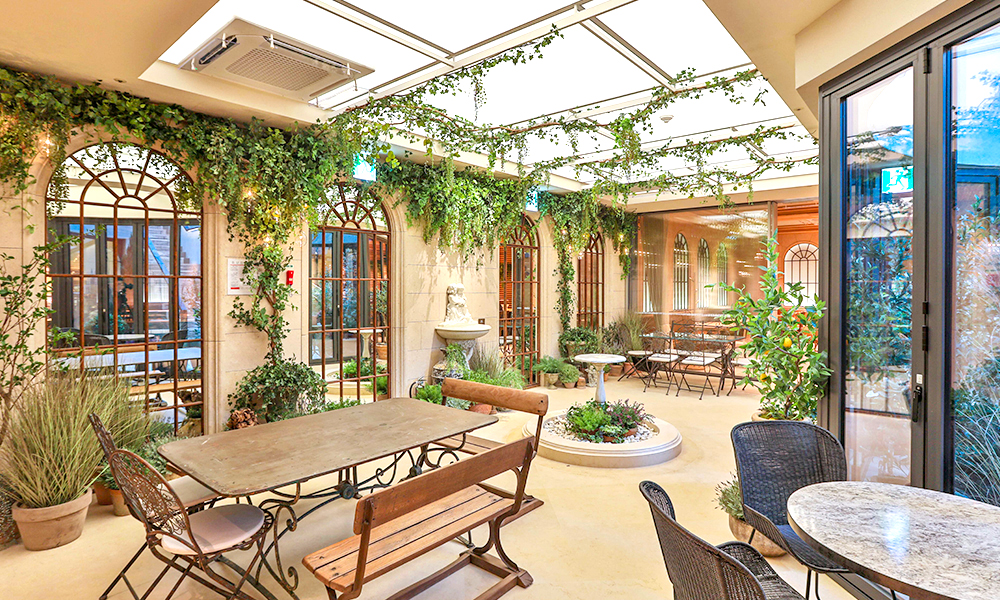
Stylized Terraces for the Theme at Passion5
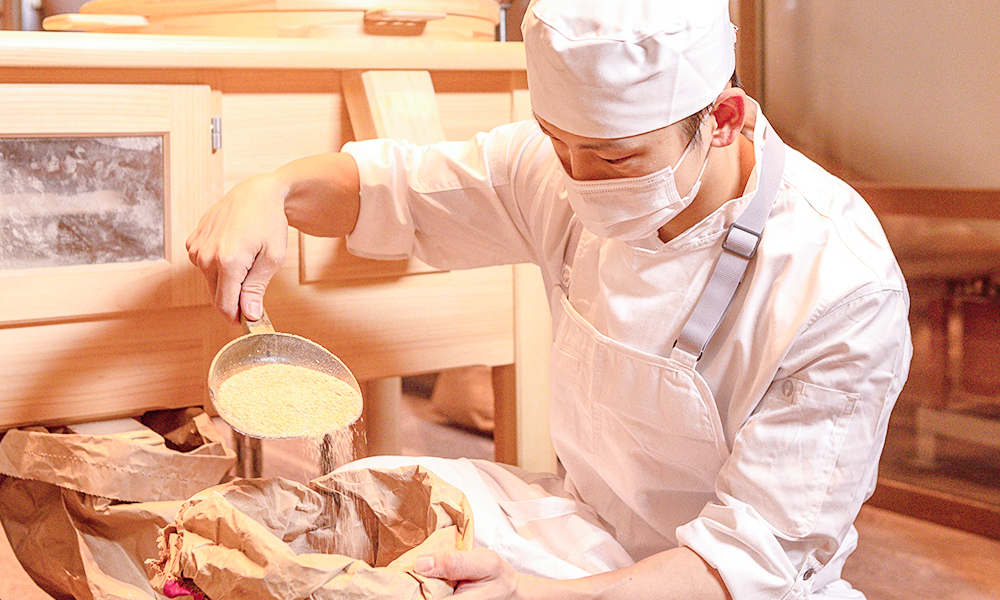
Such branding can also be reflected in the interior design of stores. Recently, we opened the Passion5 Terrace in the underground space of the SPC Group’s top flagship brand, Passion5. It was designed to be the only place to experience something new. The store has direct control over every single breadmaking process, from the wheat to the finished bread. This allows the store to maintain the highest quality while also providing visual entertainment to the customers.
For the spatial design, we used natural lighting to enhance the appeal and create a cozy place that conveys the “farm to table” idea, in line with the name “terrace.” We also prepared small props and furniture directly imported from antique markets in Europe to match the brand identity. Through such consideration, customers who visit the Passion5 Terrace can experience tasty coffee made with specialty beans in the urban garden and enjoy bakeries and meals made of distinct ancient wheat varieties.
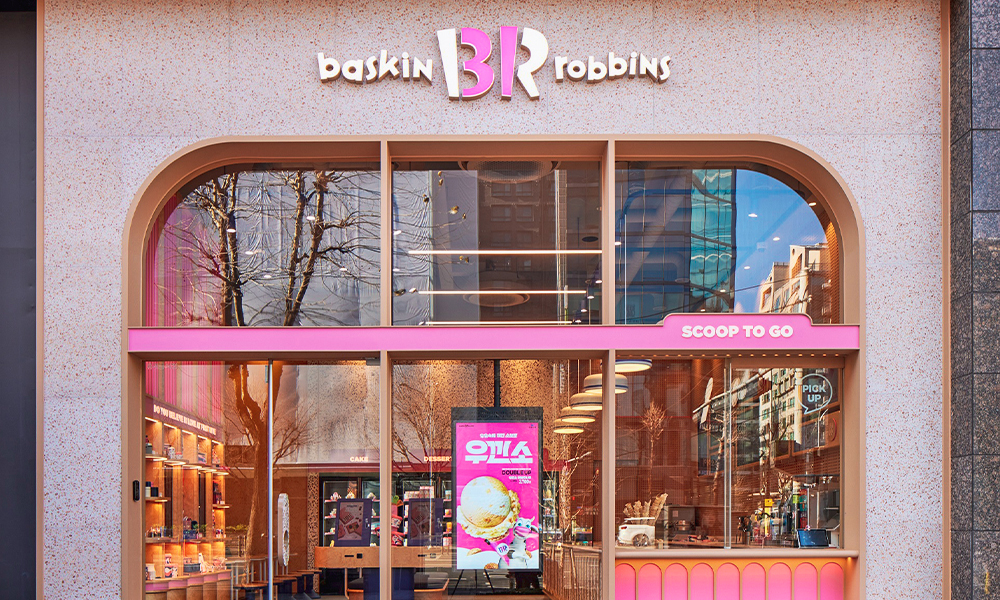
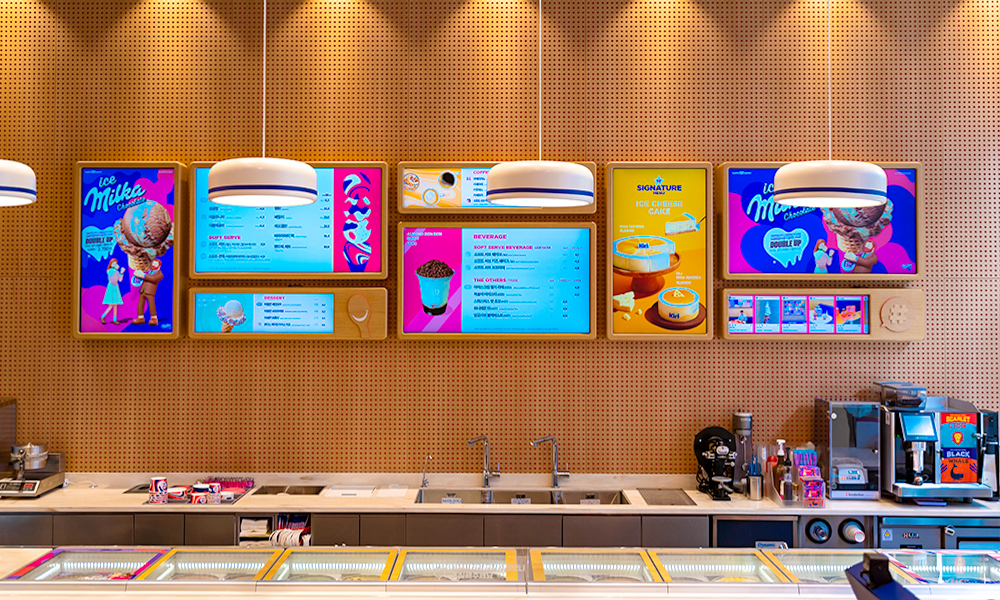
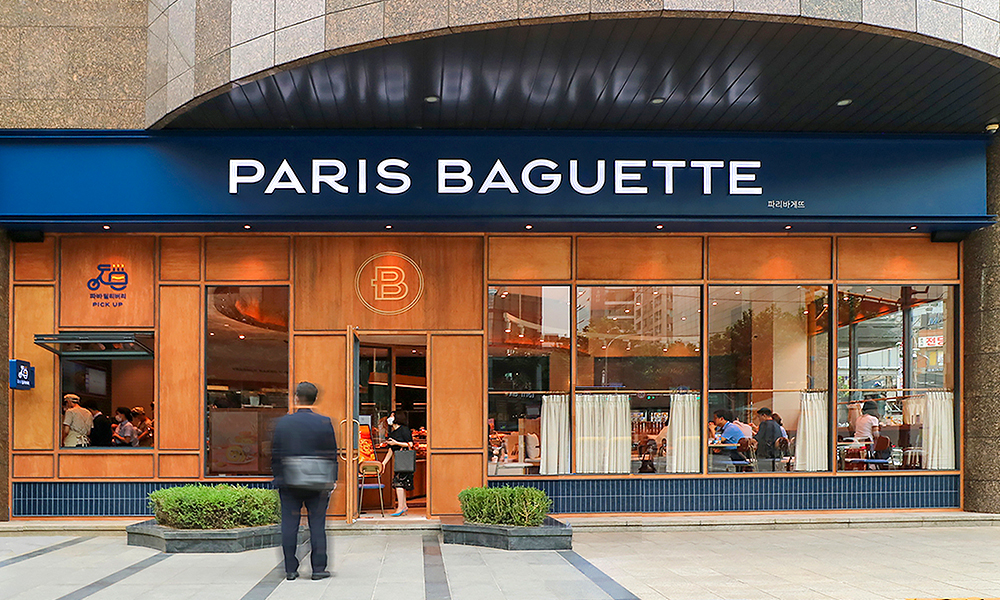
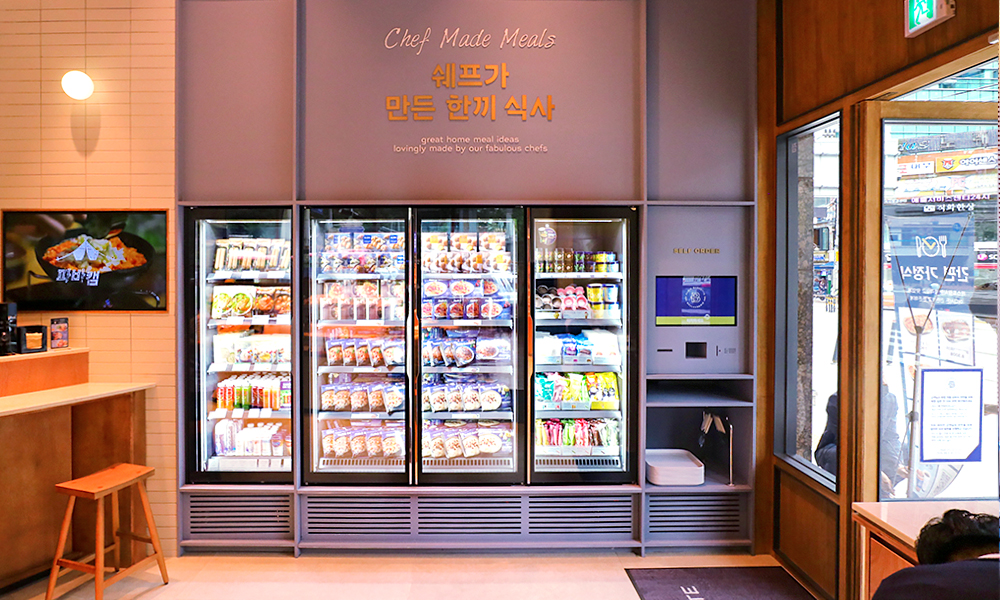
Baskin Robbins and Paris Baguette Seocho Useong Branch
Q. What is the most memorable project to you?
We’ve gone through many projects, but four of them are the most memorable examples. The first is the new Paris Croissant factory we built in Seongnam. People may wonder if the design is actually important in building a factory, but in fact, it requires a complex architectural design. In particular, because this factory is an important flagship of the SPC Group, we paid special attention to everything: from the exterior design process involving the selection of cladding finish in German terra-cotta to the internal automation system and the convenience of the staff. We also made it to enhance the level of the overall local environment after completing the construction.
Secondly, it’s the Baskin Robbins Seochu Useong Branch that applied the “New BR” concept. Instead of keeping the old design, we tried to refresh the store with something completely new. It was a fascinating project because we were able to design all the items in the store, including packaging renewal, interior decor with exciting elements, MD products, ice cream dipping section, showcase, and the menu board.
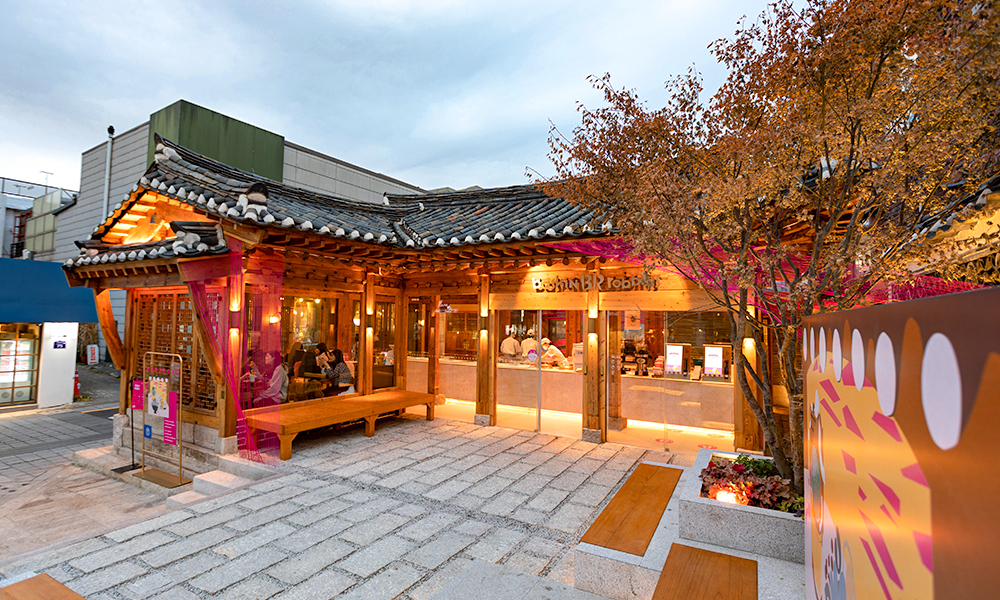
Renovated Hanok at Baskin Robbins Samcheongmadang Branch
The next example is Baskin Robbins Samcheongmadang Branch, which was a renovated Hanok. The traditional Korean courtyard madang was the theme of the interior design that accentuated the Hanok sensibilities. Combined with Baskin Robbins’ signature and string art, it turned into a unique ice cream shop. That was personally very memorable to me.
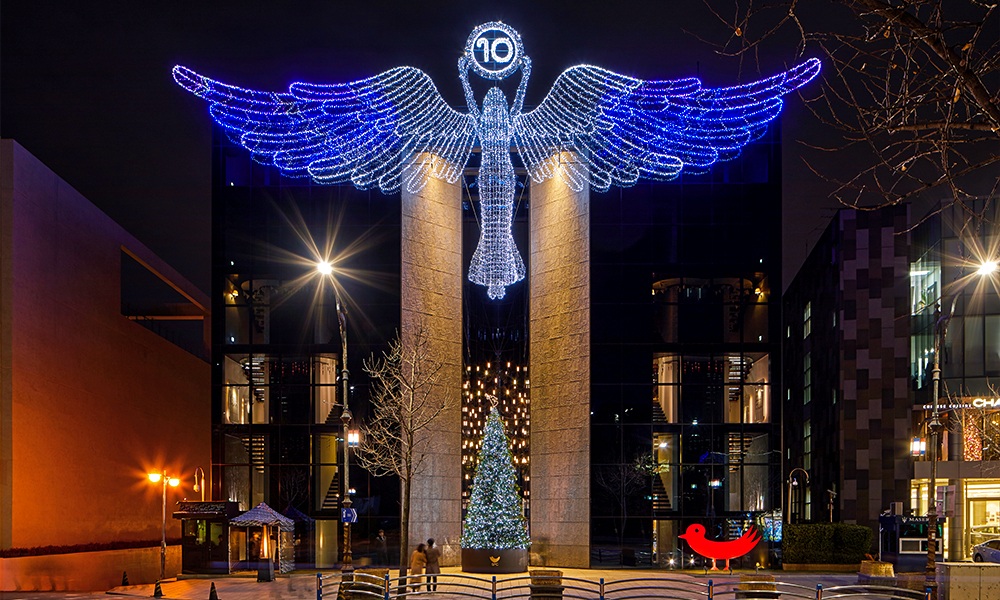
Angel Sculptures that Stand Out During Nighttime at Passion5
Finally, from a VMD perspective, the angel sculptures presented at the Passion 5 building during the Christmas season were impressive. The project concept was based on the inspiration I had when I was in London. Every Christmas, I visit with my family to watch the lights glow on the sculptures. You never get tired of witnessing how the atmosphere changes in the streets with just one more construction.
A Vision for Better Design
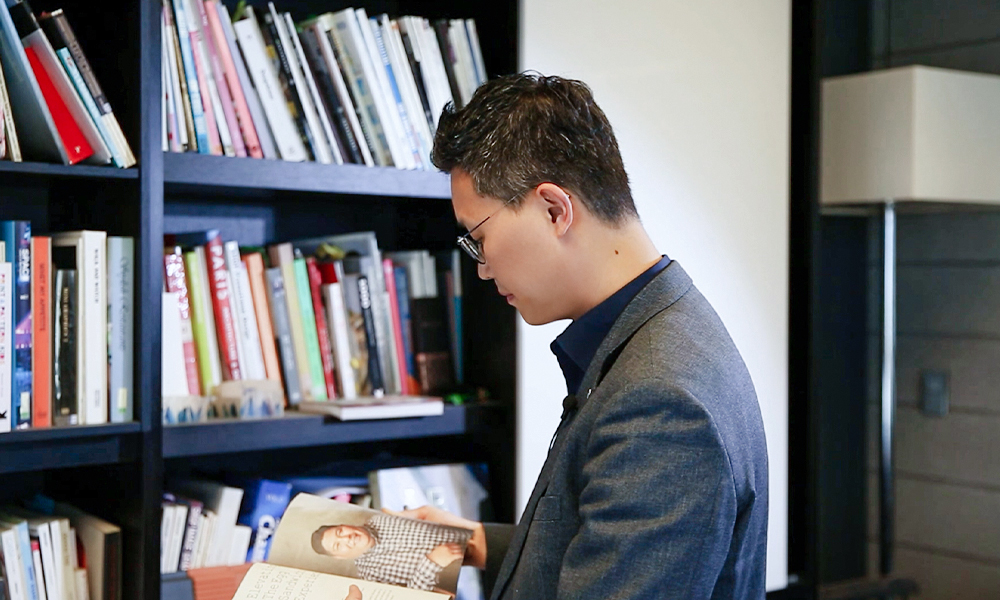
Efforts in Research to Create Good Design
Q. What is the vision and plan for the Design Center regarding “Quality First Management”?
The Design Center is always keenly aware of product quality, as that is what customers experience first-hand and provide feedback when there is an issue. To minimize the negative experience, we are reinforcing the level of quality control within the aforementioned creative process. Specifically, we observe consumer experience through sample testing, apply the feedback to our new projects, and manage extensively to contribute to our “Quality Management.” Indeed, it is not easy to control the quality in all areas when the workload is heavy. Nonetheless, because maintaining quality is a critical principle within the group, we inspect more thoroughly when we are busy.
At the Design Center, we believe that quality control is equated to the creativity of design and how much we understand and speak future generations’ language, thereby constantly creating designs that appeal to the customer sensibilities. To this end, we are working on raising our standards through a variety of activities. While every staff member is an expert in their field, they pursue even higher ideals through improvement. For example, they visit various places in Korea and abroad for benchmarking cases, attend distinguished design forums, and collaborate with consulting companies to brainstorm ideas. We also have research groups on brochures. These are some of our constant efforts to produce better designs.
Design Center’s Signboard Standing Out at the Entrance
This wraps the interview with Managing Director Son Jenog-ho at the SPC Group Design Center. He showed remarkable devotion to all business areas, including store construction, branding, and products. Such commitment to creative design and product quality must be behind the widespread popularity of SPC Group’s brands. Let’s look forward to more upcoming design projects from the Design Center.