
I’m sure you’ve heard of the phrase, “Learning has no end.” Many professionals continue to develop their expertise or explore new fields through part-time studying during their careers. The SPC Group established the SPC College of Food Science, the first in-house college in the domestic food industry to build the capacity of its employees and support field-customized training. It nurtures the core workforce for the company and cultivates the capacity of employees to realize their dreams. So what does SPC College of Food Science look like? Let’s meet a professor and a student who are teaching and studying at the SPC College of Food Science.
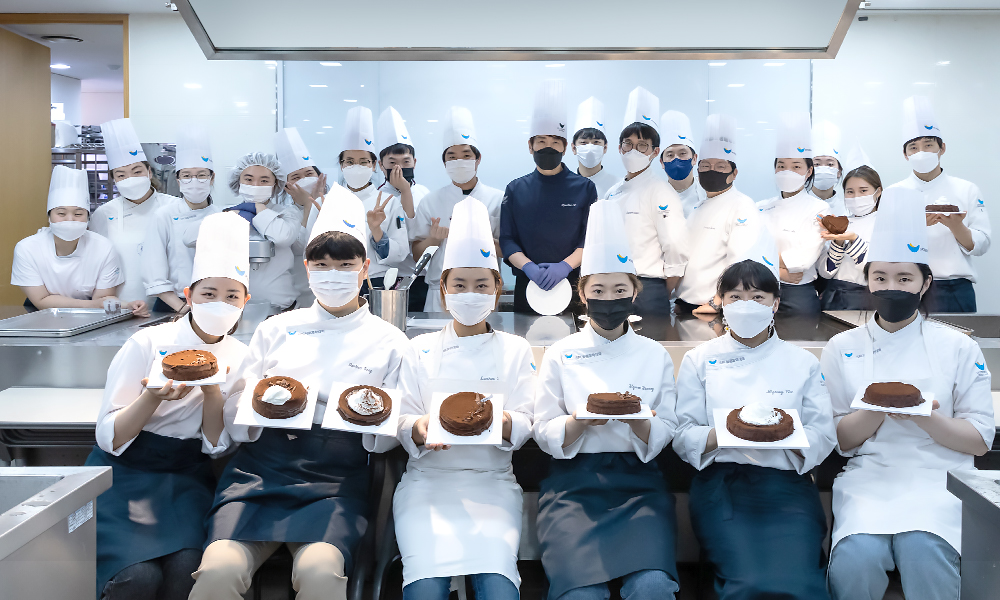
Employees attending SPC College of Food Science
SPC College of Food Science for Personal Growth and Corporate Vision
First In-house College in the Food Industry
SPC College of Food Science is an in-house corporate college, the first in the food industry and the third in Korea. It was established as a two-year professional vocational program with the approval of the Ministry of Education. It consists of training courses that foster bakery professionals and cultivate them to become the core expert workforce in the SPC Group, the No.1 company in the baking industry. The college also serves to fulfill individual staff’s desire to obtain academic degrees, strengthen the job capacity of staff in the bakery business, and assist the growth of individuals.
The main advantage of the in-house college is that the company pays 100% of tuition and operating expenses and even supports salaries during the education period so that students can concentrate on their studies. It demonstrates the management philosophy of the SPC Group, which focuses on creative challenges and does not spare active investment in education for the growth of employees and the advancement of the company.
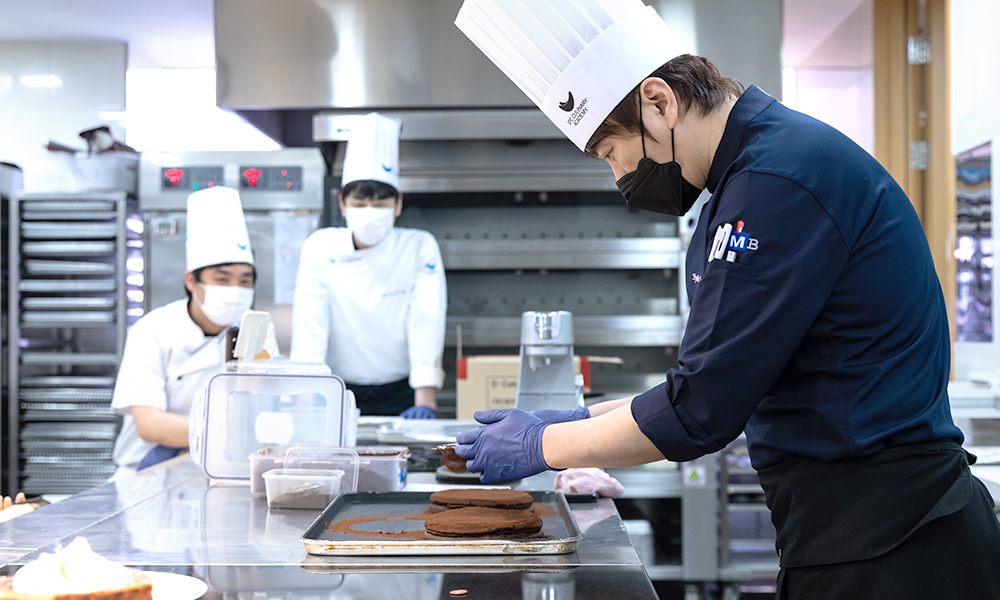
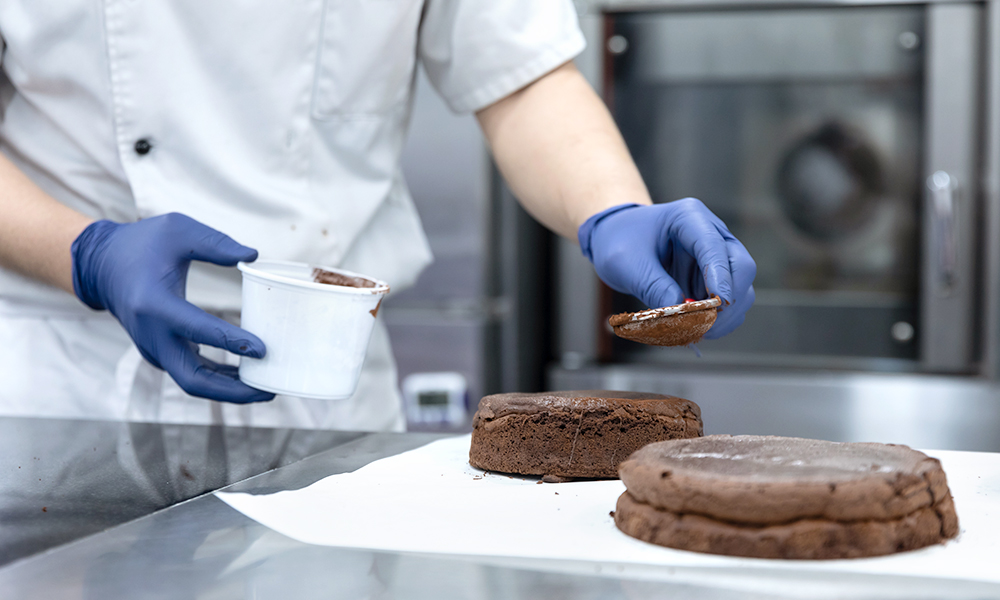
Classes Filled with Passion at the SPC College of Food Science
Employees can obtain the opportunity to grow with generous support through the student selection process. Anyone in charge of bakery-related jobs can apply after over a year of working at the SPC Group. Around 25 students are selected through document screening, written examination, and interviews. The admission ratio is one in three every year, reflecting the high interest of employees. It is particularly popular among the staff in the confectionery and bakery departments. There are currently 24 students in the first year and 23 students in the second year.
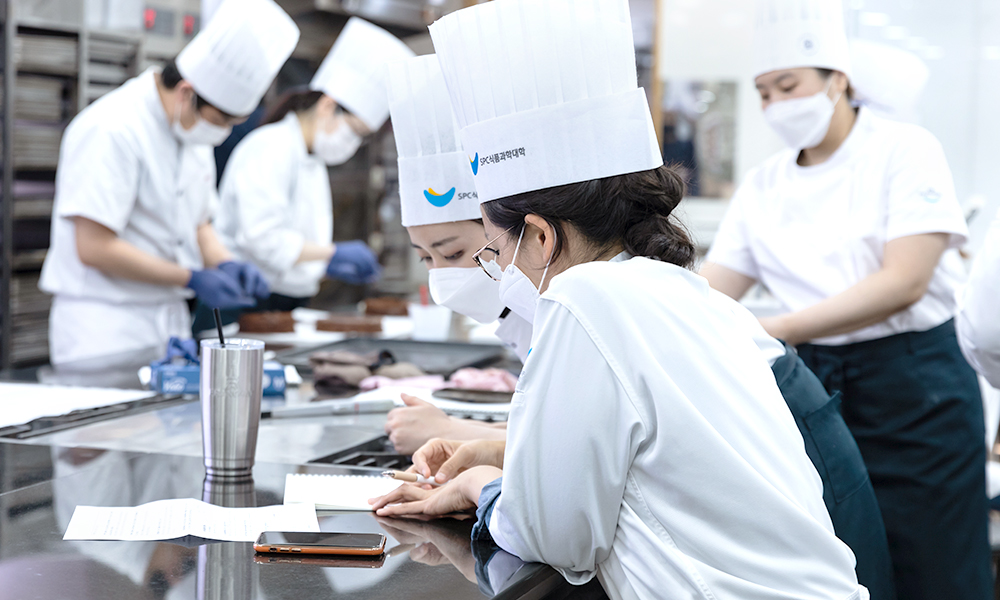
Customized curriculum of theory and practice
The SPC College of Food Science’s curricula has not only specialized courses in confectionery but also theoretical and hands-on training courses in the general food service business for the capacity building of employees in the industry. Also, the faculty consists of experts with more than ten years of experience in the SPC Group and leading professors from universities outside to cultivate talented individuals that are customized for the field. This allows students to develop balanced expertise and competence in bakery and food service, and after graduation, they can grow to become specific field professionals. Further, they can build in-depth academic foundations and advance to other universities or graduate schools.
Professors and Students Taking on Challenges with Passion
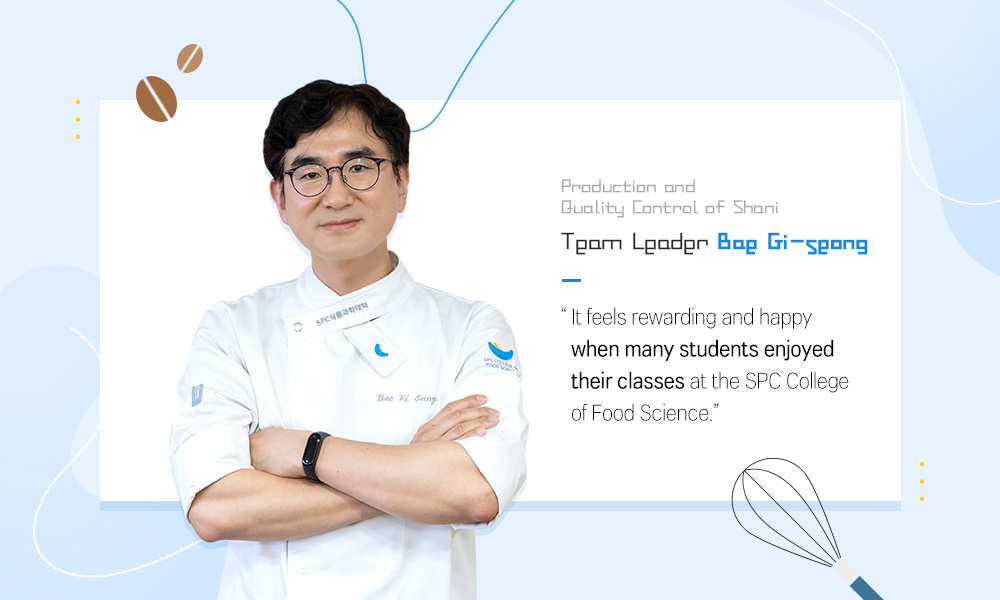
Professor Bae Gi-seong, SPC College of Food Science
Q. How did you become a professor at SPC College of Food Science?
Nice to meet you. At the SPC College of Food Science, I teach baking basics, practical training, and intensive courses. I am also the leader of the Production Team and Quality Management Team for Shani. I became a professor here because my immediate supervisor, who had taught here earlier, recommended me for having various knowledge from theory to practice to production systems. I had many worries at first, but I have gained more know-how over the years. It feels very rewarding, and I really enjoy it.
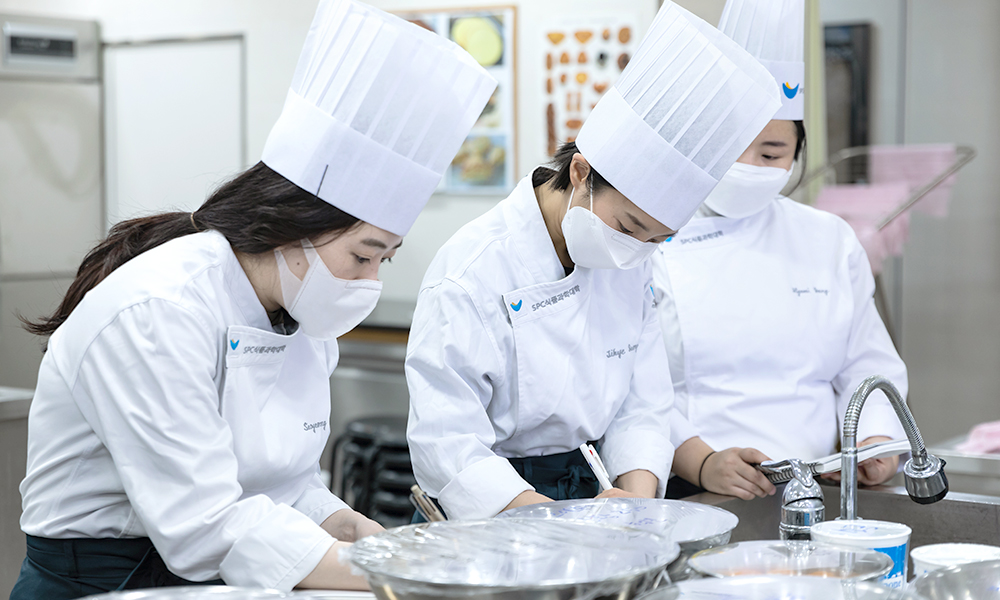
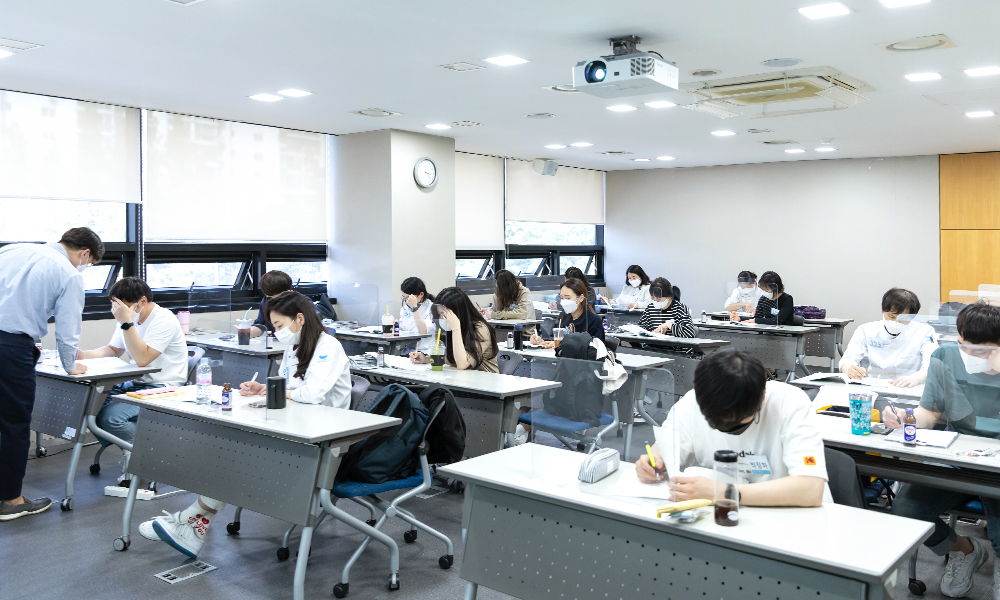
Students focusing in classes, from basic to intensive courses
Q. Are there any memorable anecdotes while teaching students?
The most rewarding moment is when I helped students through classes. My courses start with the basics and cover the intensive content. For beginners and people whose jobs are unrelated to baking, some things are difficult to understand. One day, I overheard a conversation between two students taking my class. When one student asked, “Does this class help?” the other student said, “every moment.” I was happy to help and felt rewarded for doing this. Of course, it has its difficulties. Because I am teaching in addition to working, those two elements sometimes clash with one another. Despite the understanding of people around me, I would often struggle through those times. But I feel the passion and reward from teaching very promising young people.
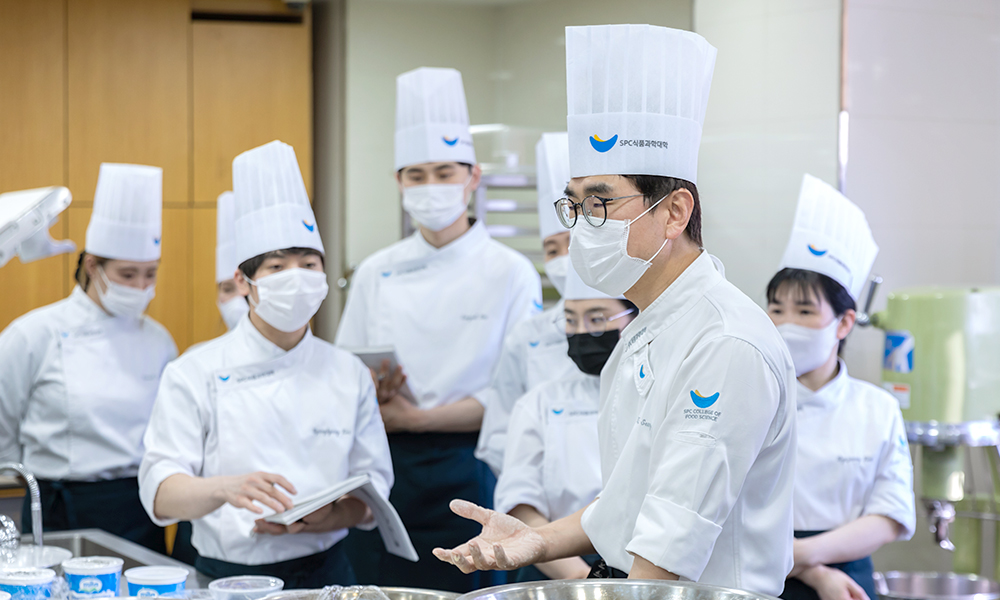
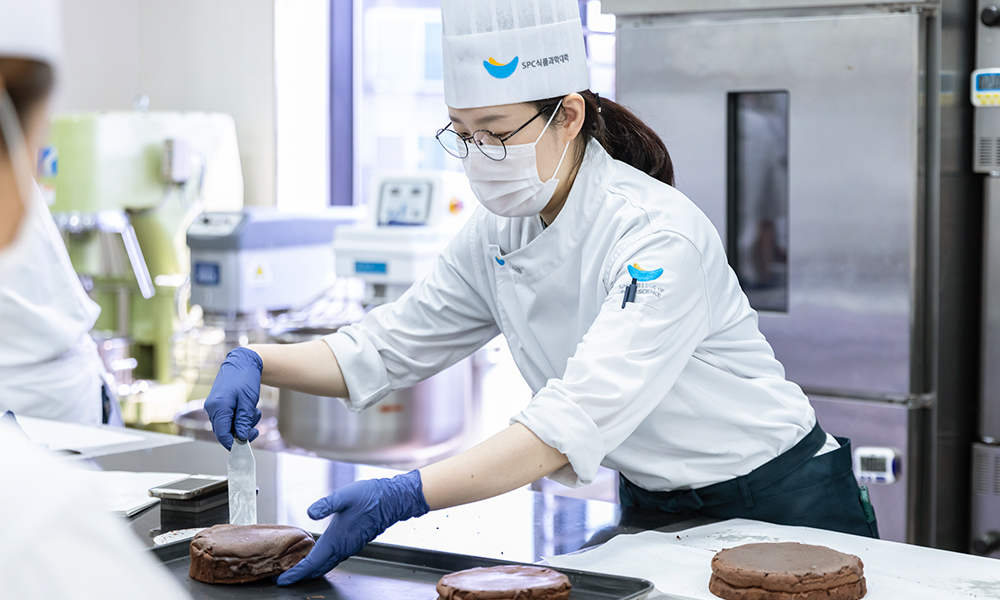
Intensive courses for making actual products
Q. What are the focus of your course curricula and your goal for the future?
To me, theories provide a map that reduces trial and error. The most important thing about baking is the actual experience, but theories serve as navigation that guides you through the easier way during that experience. That’s why I believe that theory is important. To go from basic skills to technical expertise, you need to know how to see the big picture. To become a technician who thinks about everything that includes processes and raw materials, my classes emphasize that students learn how to explain “why.” Through this process, they will grow into technicians who can teach and communicate with other employees, further becoming a springboard for the company to advance. When I first joined the Shani Research Center, I had many opportunities to study the basics of baking and the intensive process. During my career in the Product Development Office, I used to work on various products. The upside of my classes is that I can tell my students so much about those products. Students are most curious about how to start and develop their fields. My curricula are designed to explain the various processes of the entire production and provide a variety of experiences through the intensive process that makes actual products.
My goal is to make textbooks. I made the second edition of the textbook that is currently being used in the baking class. I would like to create a third book that is more specialized and categorized. Because of the conflict with my personal career, I keep thinking, “Is this the last time I teach?” but I would like to continue the job as a teacher because it’s enjoyable and rewarding to be with students.
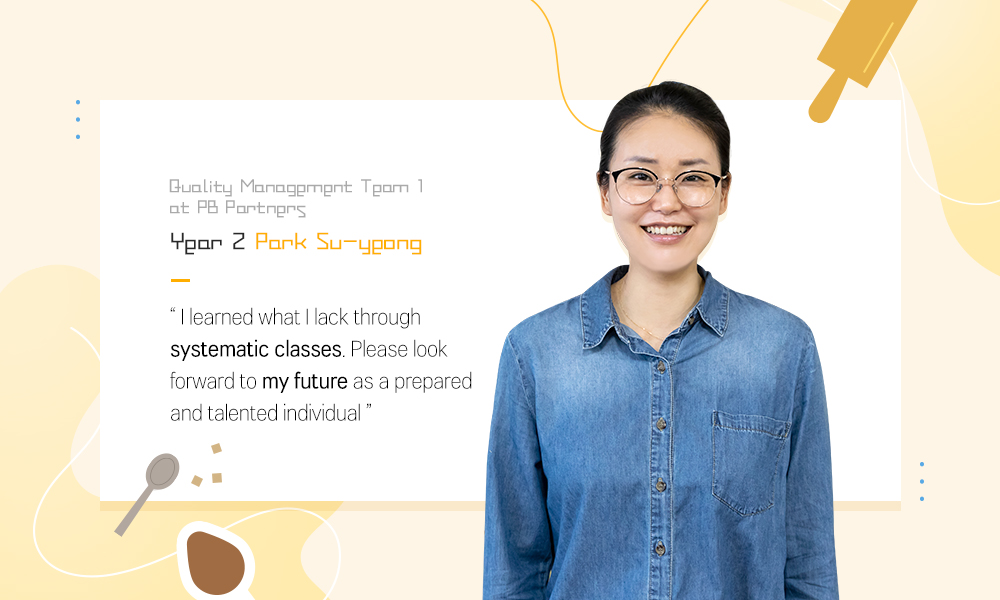
Year 2 Park Su-yeong at the SPC College of Food Science
Q. What are the advantages of attending an in-house college that you felt at the SPC College of Food Science?
Nice to meet you. I am Park Su-yeong, second year at the SPC College of Food Science and a member of Quality Management Team 1 at PB Partners. When I was working in the field, I felt that I had insufficient knowledge of how the business works. That’s when I started attending SPC College, where I could learn systematically and in-depth. The advantage of SPC College of Food Science is that I can learn the various field experiences acquired by students from different departments. In particular, I am learning a lot by personally asking questions to students from the departments that are relevant to my work. The company also gives us full support. I can focus on my studies because we take lessons during our working hours, and the company provides support both in time and finance through tuition fees. It’s not quite easy to do work and study at the same time. But I enjoy learning, thanks to our knowledgeable professors’ accessible and engaging lectures.
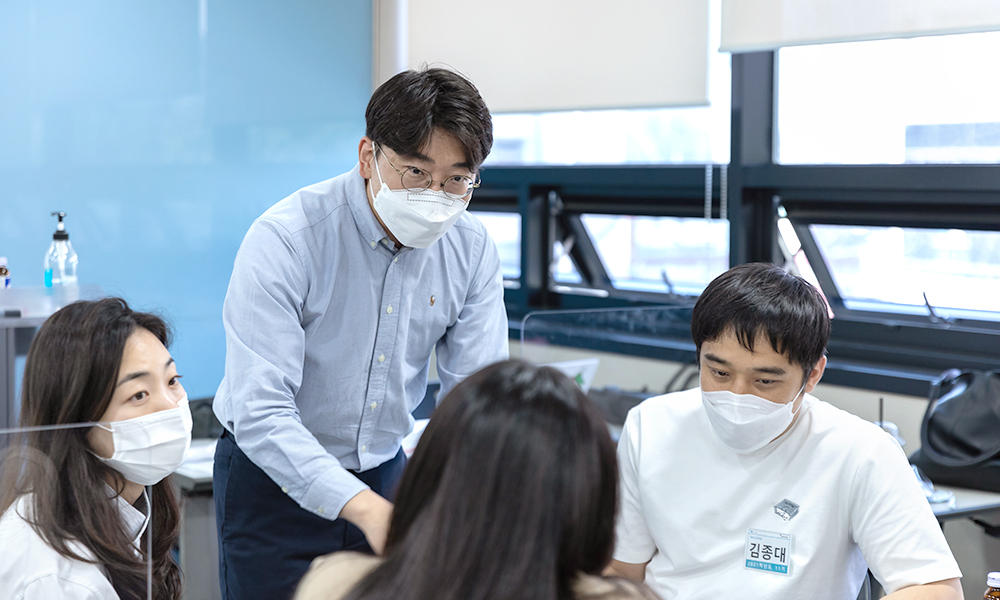
Sharing opinions with students from various departments
Q. What are the goals or plans you wish to achieve through SPC College of Food Science?
I’m very satisfied with the rich curricula taught by top-notch faculty. When I go back to work, I want to convey this dense and in-depth knowledge to my colleagues based on what I’ve learned. Through various classes, I feel that I have grown into a prepared and talented individual that can be applied to all kinds of new opportunities. I am really looking forward to my future.
A New Future through SPC College of Food Science
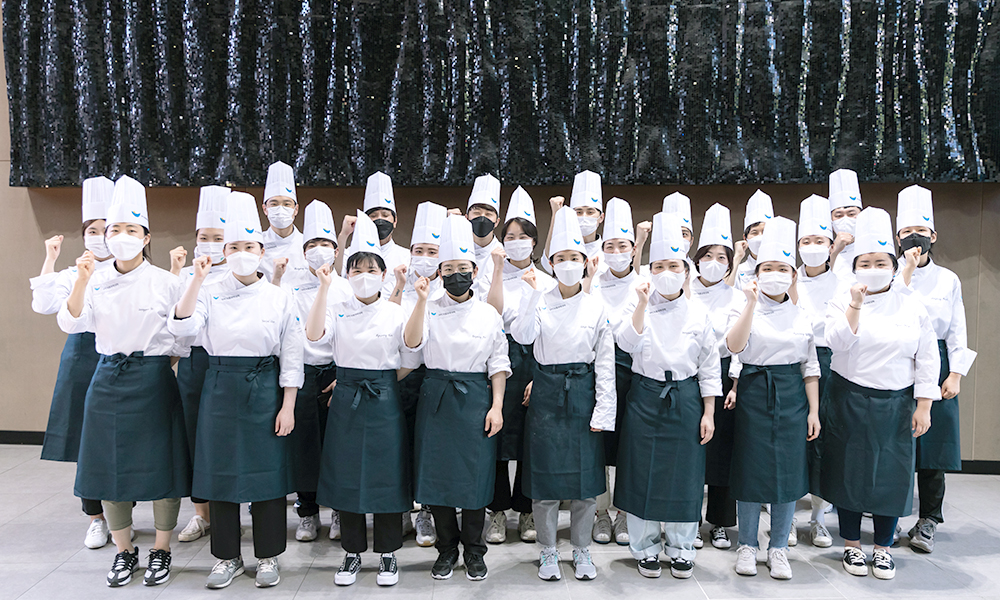
Professors and Students Creating Lessons Together
Students at the SPC College of Food Science have a common denominator: while their jobs range widely from baking to coffee making, as well as development, quality management, purchasing management, and training, all of them are deeply related to baking. It has been over a decade since our in-house college was established. Many graduates are applying their academic knowledge to work and creating outcomes. There are a lot of upper-level supervisors in the SPC group, such as team leaders and managers, who graduated from the in-house college. Based on this learning experience, some members are rotated between different jobs. For example, those who bake or help make foods in stores may relocate to quality management tasks such as QSV and QC, or even marketing and product development. Some have been dispatched to overseas branches in the United States, China, and Singapore and have become key talents in the group. As such, many of our members who studied at the SPC College of Food Science are creating a new future for themselves.
Today, we discussed the palpable passion and challenging spirit at the SPC College of Food Science. It was a beautiful process for the company and employees to realize their dreams together through capacity building and helping them grow as individuals. We can’t help but anticipate the future of SPC College of Food Science, which will drive the critical change and innovation in the global era and thrive with the trust and love from our members.